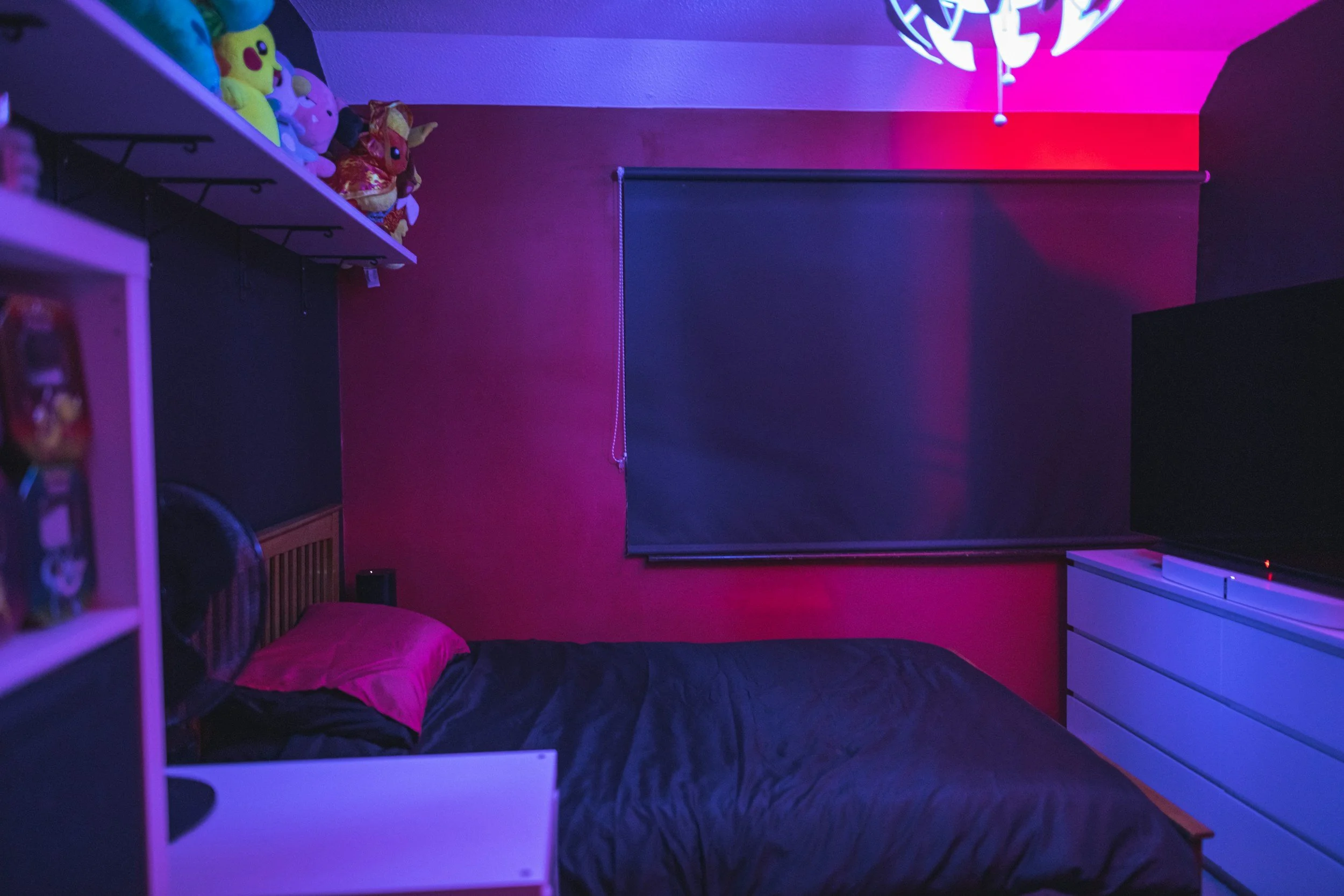
Creating a Sensory-Friendly Sleep Sanctuary
A sensory-friendly bedroom is not a particular look.
That oversized cloud bed, arch mirror, vanity station, and custom art print might look unreal on Pinterest, but an Autistic child may experience that same room not as a collection of Instagram-worthy pics, but a collection of anxiety-inducing problems.
Sensory differences and sleep difficulties commonly overlap in Autistic children, particularly where sensitivity and avoidance are involved.

Melatonin and Autistic Kids: What Canadian Caregivers Should Know
Melatonin is not a miracle, and it is not something to feel guilty about considering. For some Autistic children it is a useful support for the biological process of falling asleep, with the evidence strongest for shortening how long sleep takes to begin.
But it cannot solve every reason a child is awake. The better question is not only “Should we try melatonin?” It is “What part of sleep are we asking melatonin to support, and what else might my child still need?”
Why Your Autistic Child Won’t Sleep (and What Helps)
Sleep difficulties affect between 50% and 80% of Autistic children and youth.
That range covers a lot of different nights: hours to fall asleep, frequent waking, 4:45 a.m. starts, irregular schedules, bedtime anxiety, and needing a caregiver nearby to fall or return to sleep. One explanation rarely covers everything. More often, several factors stack.
So instead of asking “How do we stop this bedtime behaviour?”, ask “What is making sleep hard for my child?” The second question has answers.